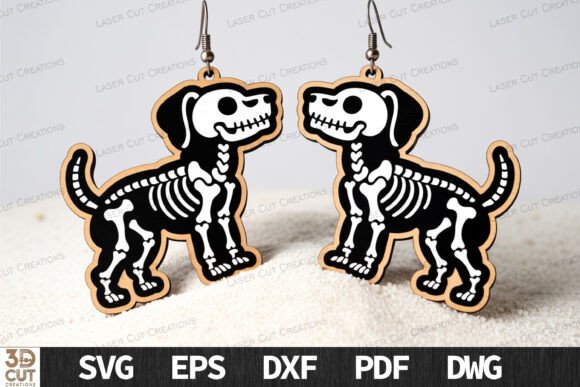
Halloween Dog Skeleton Earrings Design Review
A First Look at the Halloween Dog Skeleton Earrings
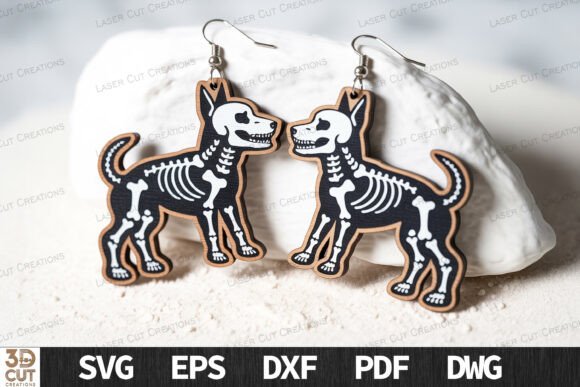
Opening the zip folder with the Halloween Dog Skeleton Earrings, I immediately noticed the playful yet slightly eerie vibe of the design. The skeletal dog is rendered with a clean, stylized look that feels right at home in the Autumn Amp category. It's not overly detailed, which is a good thing—it gives room for creativity when customizing stitch density and thread colors.
The layout is balanced, with enough negative space to prevent the design from feeling cluttered. The overall mood leans toward spooky fun, making it ideal for fall-themed projects or Halloween-related merchandise. It’s a versatile piece that can be adapted to both casual and more refined handmade products.
Real-Life Embroidery Use Cases
Let’s imagine using the Halloween Dog Skeleton Earrings on a custom embroidered tote bag. This design would pop nicely against a light-colored fabric like khaki or beige. The shape of the dog skeleton is simple enough that it won’t overwhelm the tote, but it still makes a statement. It could also work well as an embroidered patch for a sweatshirt or even a cap—though I’d need to be careful with hoop size and stabilizer choice on curved surfaces.
For baby clothes, this design might be too spooky, but if the goal is a whimsical holiday gift, it could be a hit. On a pillow cover or kitchen towel, the design adds a touch of humor without being too intense. For Etsy sellers or small shop owners, this could be a great addition to a line of seasonal patches or applique designs.
I see this working particularly well on items like aprons, where the embroidery is more prominent and has room to shine. It could also be used as a decorative accent on blankets or nursery decor, depending on how it’s stitched and colored.
Where to Use with Caution
While the Halloween Dog Skeleton Earrings are charming, there are some situations where they may not perform as well. Small hoop sizes could be a challenge since the design needs a bit of space to show its details. If you're planning to use it on thin or stretchy fabrics, make sure to use a proper stabilizer to keep the stitches from puckering.
Dark fabric backgrounds might not showcase the design as effectively unless you choose high-contrast thread colors. Also, if you’re embroidering on layered garments or curved surfaces like caps, you’ll need to test the design first to ensure it lays flat and looks good from all angles.
Dense stitch areas could cause issues if the design isn’t optimized for your machine. I recommend checking the stitch density before finalizing your project, especially if you're planning to sell finished products or digital embroidery files for others to use.
Design Impact on Visual Appeal and Product Value
The Halloween Dog Skeleton Earrings have a clear visual appeal that can elevate the look of any handmade product. Whether it's a personalized gift or a commercial embroidery project, this design adds character and a sense of fun. It’s perfect for craft businesses looking to add a unique touch to their product lines.
When used correctly, this design can increase customer trust by showing attention to detail and quality. Handmade products with thoughtful embroidery like this often stand out in markets like Etsy or craft fairs. It also helps maintain brand consistency if you're selling multiple items with similar themes.
As a gift, this design is highly giftable—especially around Halloween. It’s recognizable, professional, and engaging, which means it can attract buyers who appreciate creative, themed products.
Practical Embroidery Designer Notes
Before using the Halloween Dog Skeleton Earrings in any real project, I recommend testing it on scrap fabric first. This will help you understand how the design behaves with different thread colors and fabric textures. Check the stitch density and confirm whether the hoop size matches your intended use.
Review small details closely, especially if you're planning to use it on products that need frequent washing. Testing it in black and white mockups can help you see how the design translates across different fabric backgrounds. Always use proper stabilizer to avoid distortion, especially on delicate or stretchy materials.
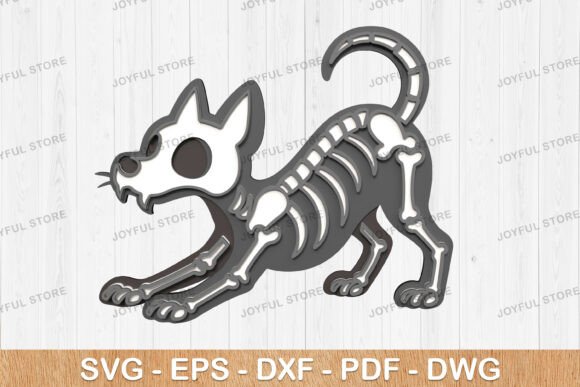
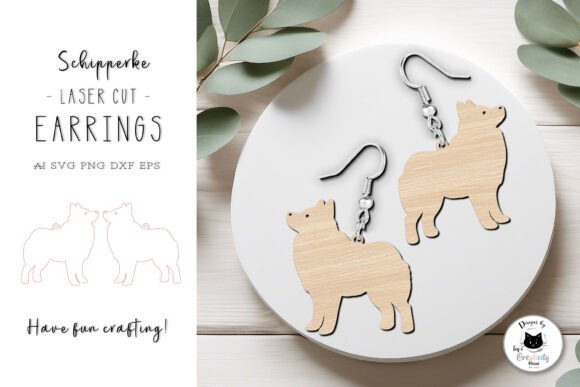
If you're considering selling finished products or digital embroidery files, be sure to check the licensing terms. Even though the files come in SVG, DXF, EPS, PDF, and DWG formats—compatible with most cutting machines and design software—you should confirm whether they’re allowed for commercial use.
Finally, think about how this design fits into your overall portfolio. It works well for personal projects, but it can also be a valuable asset for commercial embroidery if used appropriately. Just make sure to match the tone and style with your brand and target audience.